
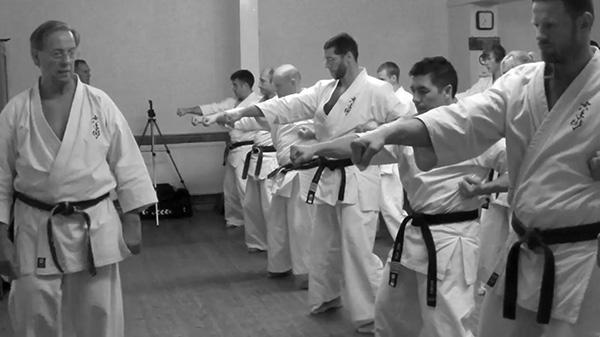
Kihon, Basics
Strikes, blocks, kicks and stances practised with precision and repetition. Builds self-defence, fitness, focus and spirit. Strong basics create strong karate at every level.
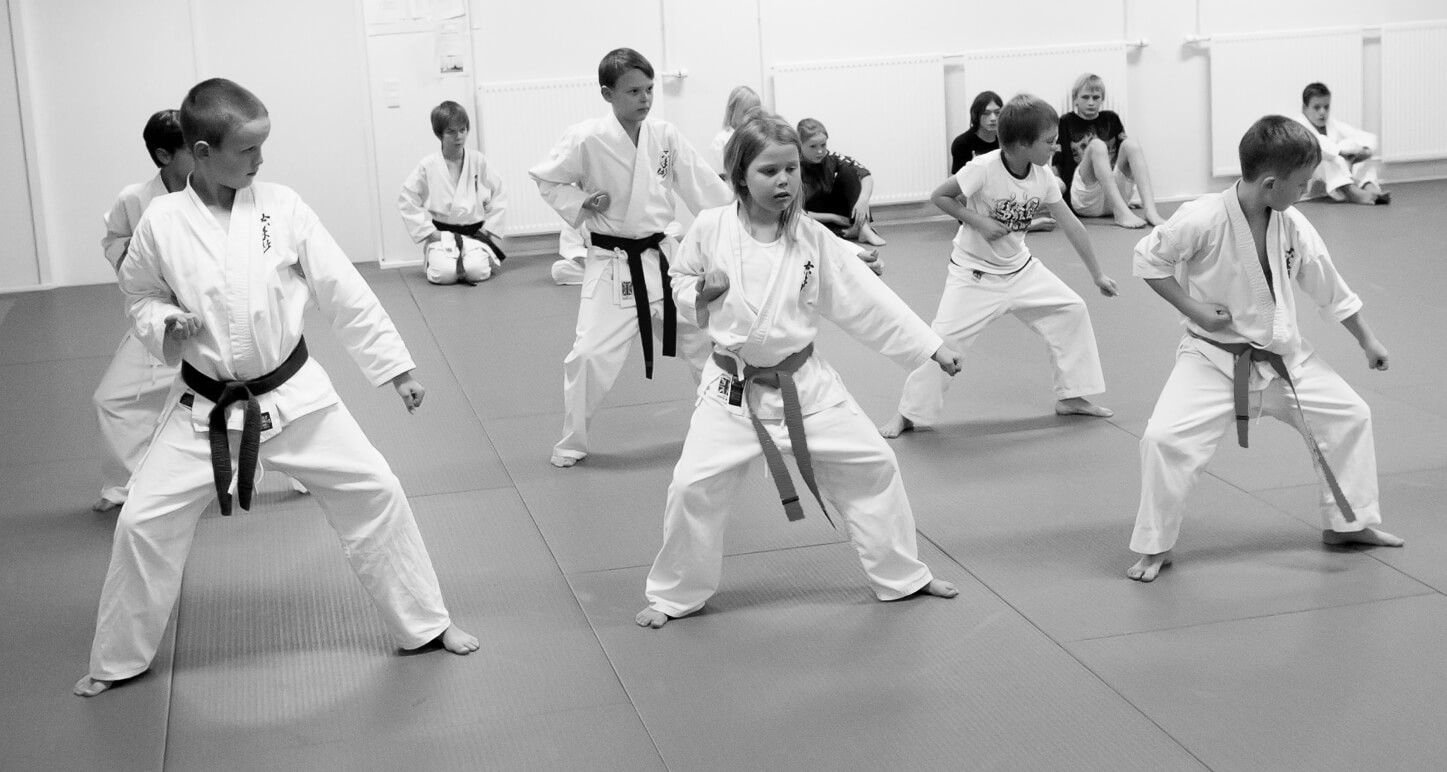
Karate Jutsu Kai training is structured, progressive and disciplined. Each session combines technical study, physical conditioning and character development.
Training is designed to develop both physical ability and mental resilience.
Every session draws on three foundations: basics, forms and sparring.
Strikes, blocks, kicks and stances practised with precision and repetition. Builds self-defence, fitness, focus and spirit. Strong basics create strong karate at every level.
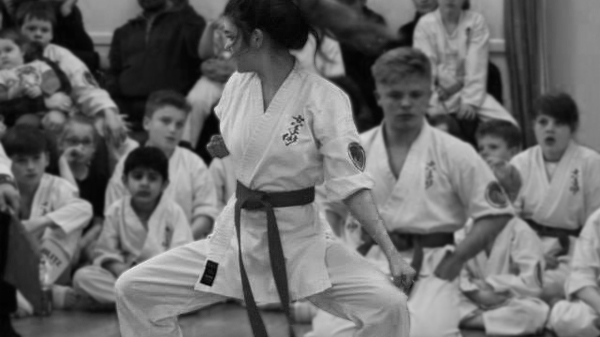
Structured patterns of movement practised against an imaginary opponent. Develops focus, timing, discipline and breathing. Preserves traditional principles and teaches coordination.
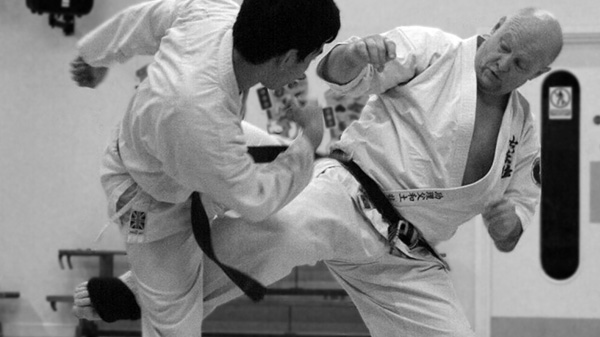
Brings together kihon and kata in sparring. Students apply techniques in a controlled dojo environment, learning distance, timing and composure. Progressive and age-appropriate; the aim is controlled technique, not aggression.
Beyond the three foundations, training is shaped by physical development, progression, courses and community.
Karate is not only technical. It is physical.
Progress comes from consistency
Karate rewards regular training. Confidence is built through steady effort over time, not quick results.
Consistency matters.
Karate is not learned in weeks or months. Skill, confidence and resilience are developed through regular attendance and steady effort over time.
Each session builds on the last. Gaps slow progress, while consistency creates momentum. Students train weekly, refining their basics and strengthening both body and mind. Improvement is gradual at first, but becomes clear with persistence.
Progress is recognised through structured gradings. These assess not only technique, but effort, understanding and composure.
Gradings provide direction, accountability and a genuine sense of achievement. In karate, advancement is earned through commitment. Meaningful progress comes from consistency, not shortcuts.
In addition to regular classes, Karate Jutsu Kai offers courses and seminars designed to deepen understanding and refine technique.
These sessions allow students to study key areas in greater detail, whether that is kata, basics, application or grading preparation.
They provide focused time to improve, ask questions and train alongside the wider organisation. Courses are a valuable opportunity for those who wish to progress further and develop a deeper understanding of the art.
Karate is individual effort within a shared environment.
Students train alongside others of different ages and abilities, learning discipline and self-reliance while also developing mutual respect and encouragement. Progress may be personal, but it is rarely made alone.
Through regular training, gradings, courses and club events, friendships develop naturally. Students support one another through challenges, celebrate achievements together and grow as part of a wider dojo community.
Families often become part of that journey, attending events, supporting progress and sharing in milestones throughout the year. Over time, the dojo becomes more than a training hall. It becomes a place of structure, belonging and shared purpose.
Karate is challenging. That is part of its value.
There will be weeks when training feels difficult, when techniques do not come easily, or when your child feels unsure. This is normal. Growth often comes through overcoming small obstacles rather than avoiding them.
Your role as a parent is not to coach technique, but to encourage consistency, effort and resilience. Turning up regularly and trying, even on harder days, is what builds real confidence.
All training is structured and age appropriate. We challenge students carefully and progressively, supporting them as they develop both physically and mentally.
Karate is not simply about learning techniques. It is about developing capable, respectful and resilient young people who understand that progress comes from commitment.