History of Karate Jutsu Kai
From Kyokushinkai to Karate Jutsu Kai — the lineage and evolution of our system.
Karate Jutsu Kai is a traditional full-contact martial arts system founded in 1980 by Kaicho Bernard Creton. Rooted in Kyokushinkai and shaped by decades of competition and leadership, the organisation has developed a structured syllabus grounded in discipline, technical precision and Budo values.
The Start in Judo and Shotokan
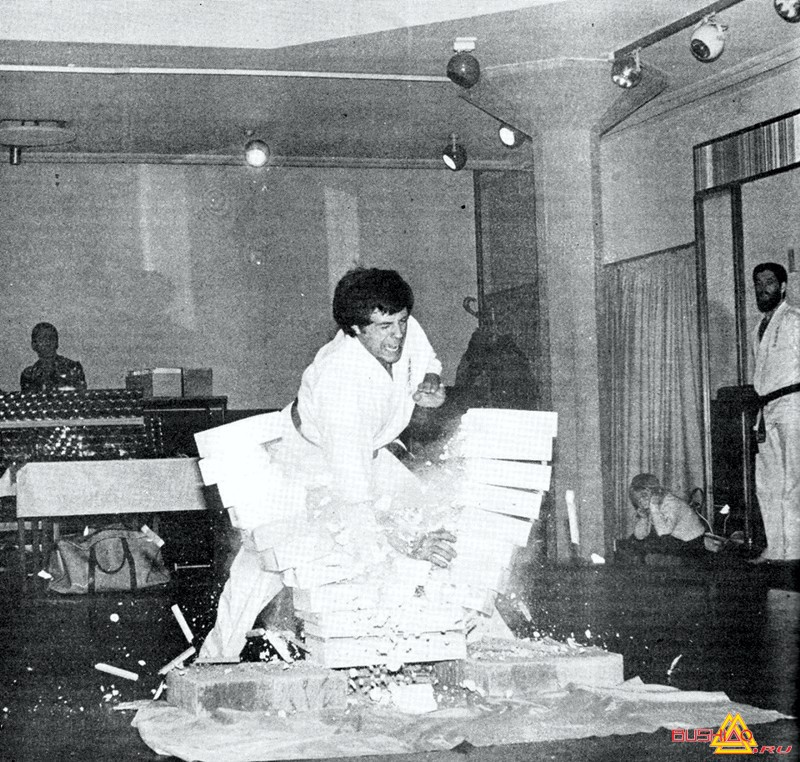
Kaicho Bernard Creton began his martial arts journey in Judo before transitioning to Shotokan Karate. While he valued the physical challenge of Judo, karate's striking depth and practical application drew his focus. After attending a demonstration by Brian Dowler, he discovered Kyokushinkai and committed fully to its demanding full-contact system.
Kyokushinkai & World Ranking
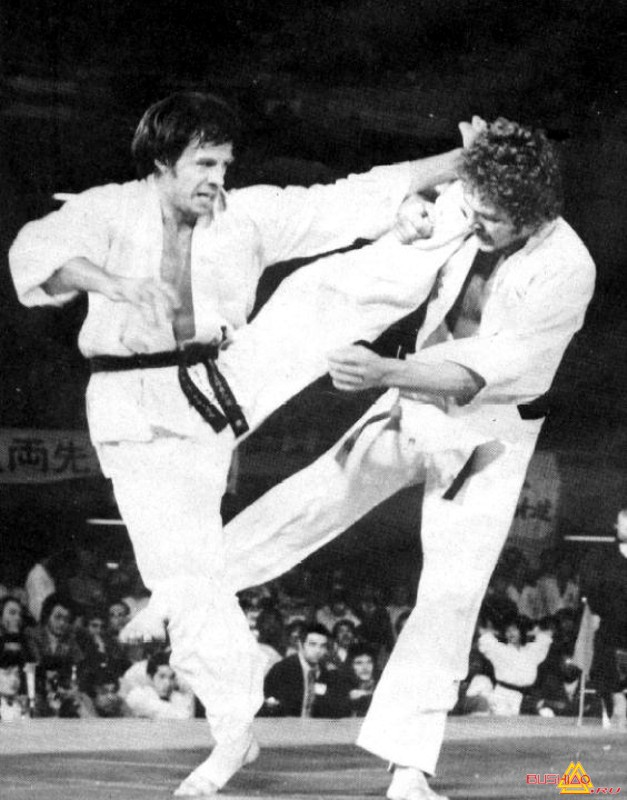
Through years of dedicated training and international competition within Mas Oyama's Kyokushinkai, Kaicho Creton achieved recognition at the highest level. In 1979 he competed in the World Open Knockdown Tournament, placing 6th in the world — a significant achievement within full-contact karate.
Alongside competition, his interests increasingly focused on deepening kata study, refining basics and improving the structure of teaching within the system.
Founding of British Karate Jutsu Renmei
Seeking to develop a coherent and structured approach to training, Kaicho Creton co-founded the British Karate Jutsu Renmei with Brian Dowler. The aim was to preserve strong technical standards while rationalising fundamentals and strengthening the depth of study within the art.
Development of Karate Jutsu Kai
Following an amicable separation, Karate Jutsu Kai developed as a distinct organisation under Kaicho Creton's leadership. The system emphasised the inseparable bond between demanding physical practice and a strict ethical code, reflecting both the technical and moral dimensions of traditional karate.
Over the following decades, Karate Jutsu Kai expanded steadily, producing multiple generations of Dan grades and establishing a reputation for disciplined training and rigorous grading standards.
Founding of World International Budo Kai
Kaicho Creton established the World International Budo Kai to provide an international framework for governance and recognition.
WIBK formalised grading authority across countries, preserved technical standards and reinforced traditional Budo principles within a structured international body.
Karate Jutsu Kai Today
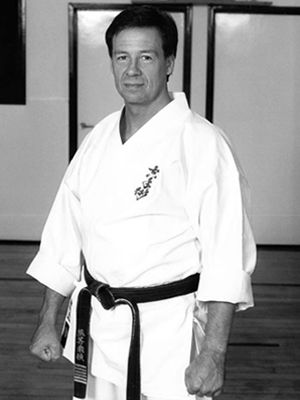
Today, Karate Jutsu Kai continues under the guidance of Kaicho Bernard Creton, maintaining its full-contact foundations while developing instructors and students across generations.
With over four decades of organisational history and more than sixty years of martial arts experience behind its leadership, the system remains committed to disciplined training, respect and practical application.